Enhancing Focus with ADHD-Specific Exercises and adhd movement strategies
- Vicki Hall
- Apr 17
- 4 min read

Living with ADHD can sometimes feel like your mind is constantly racing, making it hard to focus on tasks or stay calm. Over the years, I’ve discovered that certain exercises tailored specifically for ADHD can make a real difference. These exercises don’t just help with physical health; they also improve concentration, reduce restlessness, and boost overall well-being. Today, I want to share some gentle, practical ways to enhance focus through movement, especially designed for those of us who find traditional fitness settings a bit overwhelming.
Understanding ADHD movement strategies
When I first started exploring movement strategies for ADHD, I realised that not all exercises are created equal. Some movements help calm the nervous system, while others channel excess energy in a positive way. The key is to find activities that feel natural and enjoyable, rather than forcing yourself into routines that add stress.
Movement can be a powerful way to support focus, energy, and regulation—especially when it’s structured in a way that works with your brain, not against it. Within Movement Foundations, we use simple, effective approaches that support this, including:
Strength-based movements that build body awareness, control, and confidence•
Balance and coordination work to improve focus and connection to how your body moves
Rhythmic, repeatable patterns that help regulate energy and reduce overwhelm
Short, manageable blocks of movement to help release built-up energy without burnout
The aim isn’t to do more—it’s to help movement feel clearer, calmer, and easier to come back to.

If you’re new to exercise or returning after a break, it’s perfectly okay to start small. Even a few minutes of movement can make a difference. The goal is consistency, not intensity.
Practical ways we build focus through movement
Inside ADHD-Informed Movement Foundations, we use simple, structured exercises to support focus, coordination, and regulation—without overwhelm or pressure.
You don’t need complicated workouts or lots of equipment. It’s about using the right type of movement, in the right way.
Here’s the kind of approach we use:
1. Structured, repeatable movement patternsSimple movements like squats, step-ups or controlled bodyweight exercises help build rhythm and focus.
We might layer in:
Counting reps out loud
Changing tempo (slow down, pause, reset)
Adding small coordination challenges
This keeps the brain engaged while building strength and control.
2. Balance and control work
Exercises like supported single-leg balance or split stance work help improve concentration and body awareness. These aren’t about “perfect balance”—they’re about learning to focus, adjust, and stay present in the movement.
3. Slowing things down
Instead of rushing through exercises, we focus on controlled movement and breathing.
This helps:
reduce overwhelm
improve awareness
bring attention back into the body
4. Short, manageable blocks Sessions are broken into small, clear sections so it never feels like too much.
This helps release built-up energy while keeping things structured and achievable.
The goal isn’t to push harder, it’s to make movement feel clearer, calmer, and easier to return to. Over time, that’s what builds consistency, confidence, and focus.
A space designed to support you
One of the most important things I’ve learned is that the environment you move in matters just as much as the movement itself—especially for ADHD.
ADHD-Informed Movement Foundations is designed to feel calm, clear, and supportive from the moment you walk in.
That means:
A quieter, more contained space away from busy gym floors• Minimal distractions so you can focus on what you’re doing
A simple, structured setup so you’re not second-guessing yourself• A relaxed, welcoming environment where nothing has to be perfect
Sessions are also structured to feel manageable, with clear time blocks and guidance throughout, so you always know what’s coming next.
Where possible, we also use light, space, and layout to create an environment that feels easier to be in, not overwhelming or overstimulating. Because when the environment feels right, it becomes much easier to focus, stay present, and actually enjoy the process.
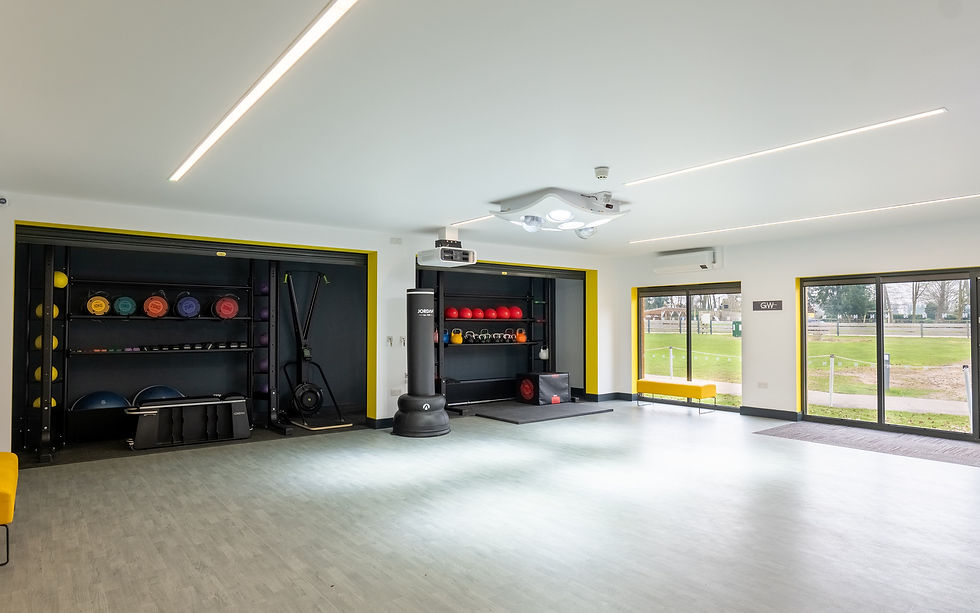
Having a dedicated space signals to your brain that it’s time to focus and move, making it easier to build a consistent habit.
Staying motivated and gentle with yourself
Starting or maintaining an exercise routine can be challenging, especially when focus is tricky. I encourage you to be kind to yourself and celebrate small wins. Every step you take towards moving more is a success.
Here are some gentle reminders to keep motivation alive:
Set realistic goals that fit your current energy and schedule.
Mix up your exercises to keep things interesting.
Track your progress in a journal or app, noting how you feel before and after movement.
Reach out for support when needed, whether from friends, family, or a coach.
Remember that some days will be easier than others, and that’s okay.
Movement is not about perfection. It’s about connection; to your body, your mind, and your well-being.
If you’re looking for a way to use movement to support focus and manage ADHD, ADHD-Informed Movement Foundations offers a calm, structured starting point. This is about understanding how your body and brain work, and building simple, sustainable ways to move that actually feel good. With the right support, movement can become something you rely on, and not something you avoid.



Comments